Thursday, January 3, 2013

BONAIRE REVISITED


The island is so small, one never gets tired of it. Walking the streets and the roads we meet the same people every time, until one day they start greeting us in Spanish, Dutch or English, the three languages spoken on the island.

It feels like summer here, endless summer. It is spring for the birds. In late December they are gathering building material for their new homes. And what a better place than a Christmas tree in the church.


In December cruise ships start finding their way into the bay, staying a day, docking in the Capitol Kralendijk. Tourists scatter, signing up for water activities, fishing, swimming, sailing, taking rides on the pirate ship, rain or shine.

Sorry looking pirates
Flamingos are tirelessly feeding in a small pond, attached to the sea by a narrow man made channel.


Late in the afternoon, when the sun is gentler, Polde and I dinghy into the marina and from there we walk by the shore on Kaya Playa Lechi, checking the moorings for the newcomers, hoping to spot old sailing friends.
Beautifully paved walkway is a main promenade for morning joggers and evening walkers to Kralendijk for a treat of ice crem or a beer in Karel's bar


Trees are precious on this desert island. This one was preserved by building the walkway around it.


One of the attractions on Bonaire are flamingos
 
Everybody has a different recreational idea
  
Lost and found
 
Calabash tree
 
Bonaire is divers' paradise

Sailing school building

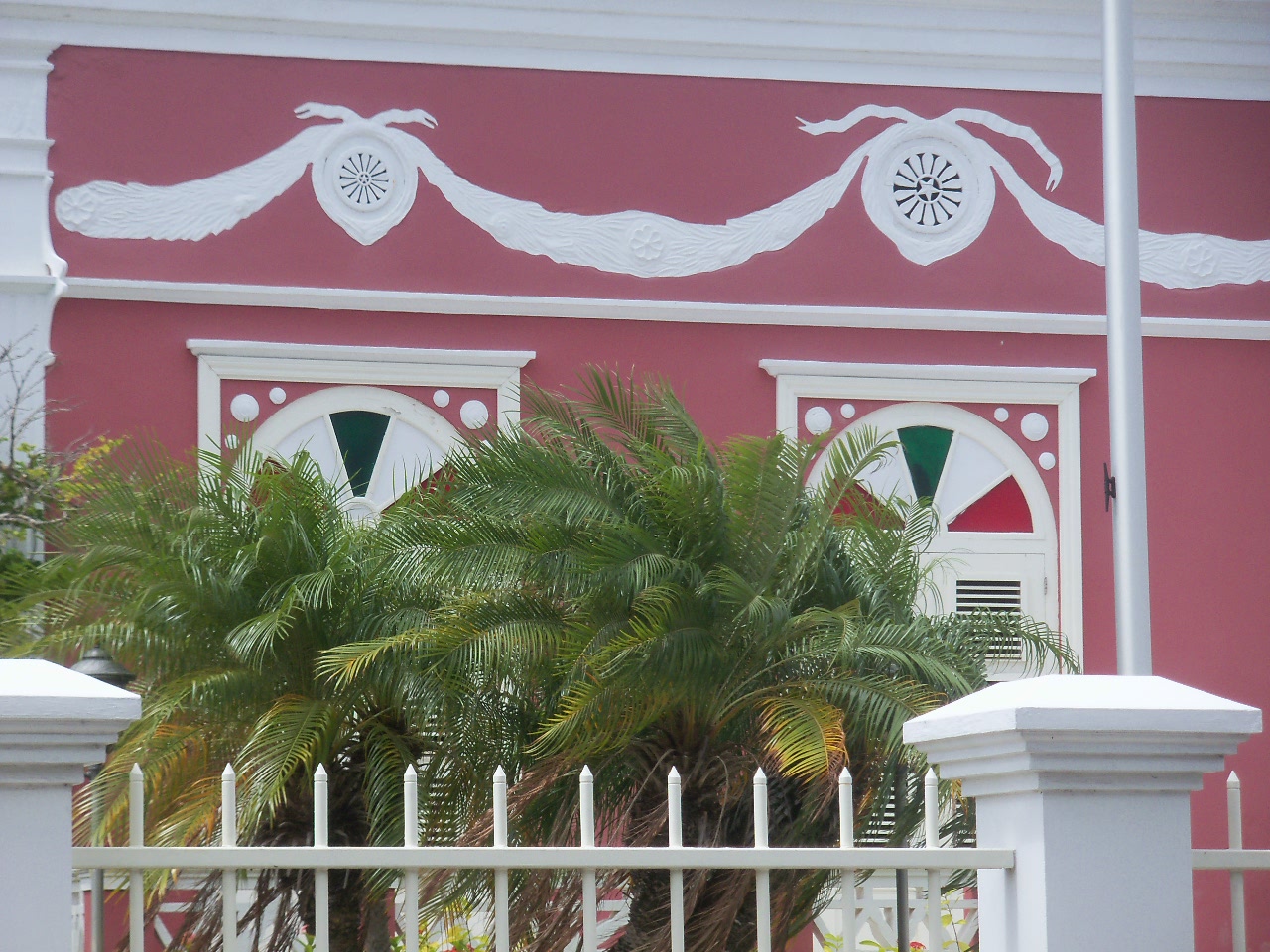
A touch of Dutch style

Cordia tree

Cordia blossom
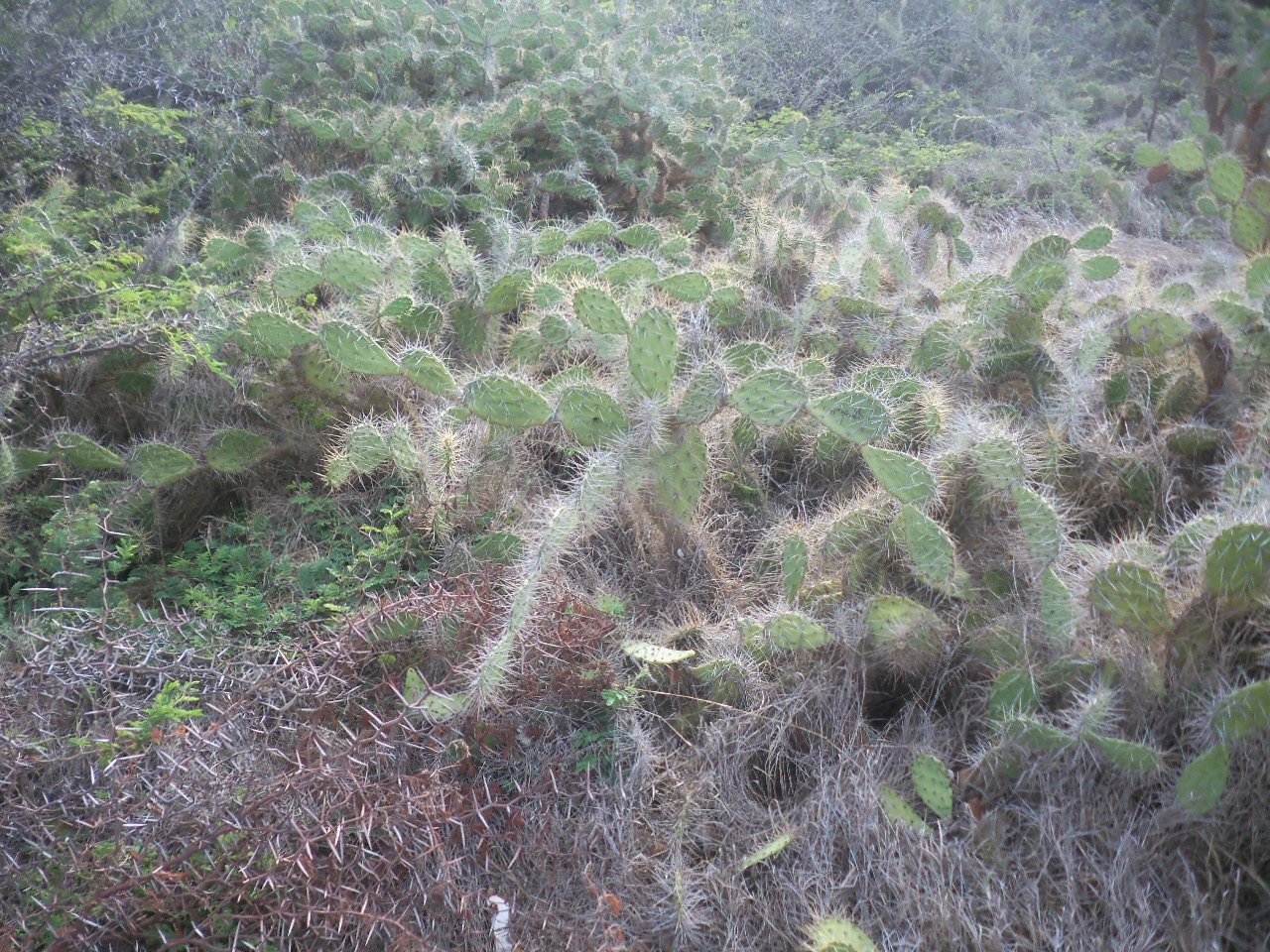
Christmas in a cacti country


Karel's Bar


The sun setting behind Klein Bonaire


Thursday, November 29, 2012

SHORT DISTANCE, LONG WAY

 
Curacao Marina is squeezed into a mosquito hole at the end of Willemstad commercial port. November 24th we left it, glad to feel the open water breeze again. Going east we had to motor sail to Klein Curacao, where we anchored for the stormy night, dragging the anchor a few times on the stony bottom and ended up drifting along the island until the first day light, when we raised sails again. We tacked in the ENE wind all the way to Bonaire, storms passing over us almost every hour. In a short break of foul weather we picked up a mooring along the Kralendijk shore, happy to be on one of our favorite islands again.
First sunset on the open water

Sunday, November 18, 2012

BACK TO CURACAO


The first Caribbean sunset we watched through the plane window promised us sunny days ahead. We needed them for work. Dry boatyard is also giving us an advantage of not bringing mud on the boat with our sandals. It is hot. The first two days we drink a lot of water without using boatyard facilities, then our bodies adjust and besides work our exercise is climbing up and down the steep ladder to use the powder room. Once or twice a day a cloud floats by in a light breeze, that dies down in a total calm. Mosquitoes enjoy. November is a quiet month, if we left Curacao now, we would be motoring. Sailing starts in December.

An animal shelter nearby is our vocal entertainment. After a short solo, the rest of the dogs join in, competing with workers' radios playing wrap music.

We can rest our ears by going into the grocery store in a complimentary mini bus, that comes to the marina every morning except on Sunday, and brings us back in an hour and a half. Otherwise, how would Polde survive without the beer in this heat?


Monday, July 16, 2012

ON DRY

July 10th, time to prepare 'NADA' for her well deserved rest. We depended on her in storms and calms and she never let us down.
With the boys on board we left Spaanse Water and sailed to Willemstad. We waited a while for the pontoon bridge to open, after all, we are on the island time, and then through the St.Annabaai channel towards Curacao Marina. As you loose the sight of the attractive Willemstad, the industrial harbour begins. Metal everywhere, some still in use and some discarded.


Curacao Marina is small, it is mostly used as temporery berths,
  before  the boats  are pulled out of the water
Dry marina, however is big, in two levels. We wished to have 'NADA' on the bottom level and we got a nice spot in a line of other Amels, right infront of the office and under flood lights. A piece of mind.

A few nervous moments
Lined up Amels
Captain
By one of the stands a flower opened her eyes into the blue. Not the sky, the blue bottom of our boat. Life is precious, the quality of it is relative. Our flower is happy in the shade, it could be baking in a hot Curacao sun.


Curacao Marina sunset

CURACAO


From Klein Curacao we sailed a short distance of 15NM to Spaanse Water on the SW end of Curacao. The large bay is giving a shelter to many boats. A narrow entrance does not allow a good flow, the water in the bay is not clean. Still, many windsurfers enjoy the wind gusts blowing down surrounding hills.


We anchored in a part of Spaanse Water called Caracasbaai, a short distance to the beach on the outer side of the island, windy, but clean water. There were some interesting sides to see also.

Fort Beekenburg with Rok and Alex
 We intended to take Anka's family to other bays. Not easy! There were only four bays, including Spaanse Water, we could get a permit to anchor in, one of them. Piscadera, to shallow for our keel, Santa Cruz to far NW, we would have a difficulty sailing back against the wind in one day.
When kids came, we rented a car and toured the island, stopped for s swim in some bays we couldn't sail into. In West Punt we snorkeled among the turtle colony.

Groot Knip Baai
Santa Cruz Baai
Spaanse Water Baai
The island has some attractions, unfortunately overshadowed by trash, years collection of plastic bags and paper caught in the thorny bushes and cacti.

Well organized is the ostrich farm: the tour, restaurant with mostly ostrich dishes and a store, selling arts from Zimbabwe, where the owners of the farm originate from.


                                                                         War dance
Some island sights:
The house built by the first Dutch settlers, renovated and lived in
Abandoned old house, blooming agava in front
Cacti wrapped in a thorny vine, a common sight on the island
East side of the island is rough, grey limestone fields, where a long line of wind generators were built. Not much is growing there but wind and drought resisting cacti.

Many ages of sea splashing over the unprotected east side of the island
Patches of cacti holding on to the rare soil

 After two days of touring the island  we sailed to Fuik Baai, a  bay on SW  end of Curacao.

The bay can only be reached by boats, so it is quiet during the week. On weekends locals sail and motor in to enjoy the clean water.


We returned to Spaanse Water to part with Anka, who had to return to work. With boys we sailed back to Fuik Baai for another three days, the time we got an anchoring permit for. Claiming to protect the environment, the Port Authority is limiting anchoring in bays. Curacao has a problem with drug trafficking from the nearby Venezuela and is controlling it's coast. Each time we sailed into Fuik Baai, were were boarded by the Coast Guards.

The main attraction of Curacao is the Capitol Willemstad. It's centre is divided by St. Annabaai channel, Punda on the east and Otrobanda (The other side) on the west side.   

Otrobanda
Fixed high bridge connecting the two sides of the city
A Punda street
Punda waterfront
Floating market
Our young family walking on the pontoon bridge, Punda in the background
Dutch girls on the school bus
Interesting Willemstad buildings


Entrance to the Kura Hulanda, hotel and side-walk gallery 


Cafe' art